
SPCX Stock Before August 6 Earnings: What Investors Should Watch

 Prefer us on Google
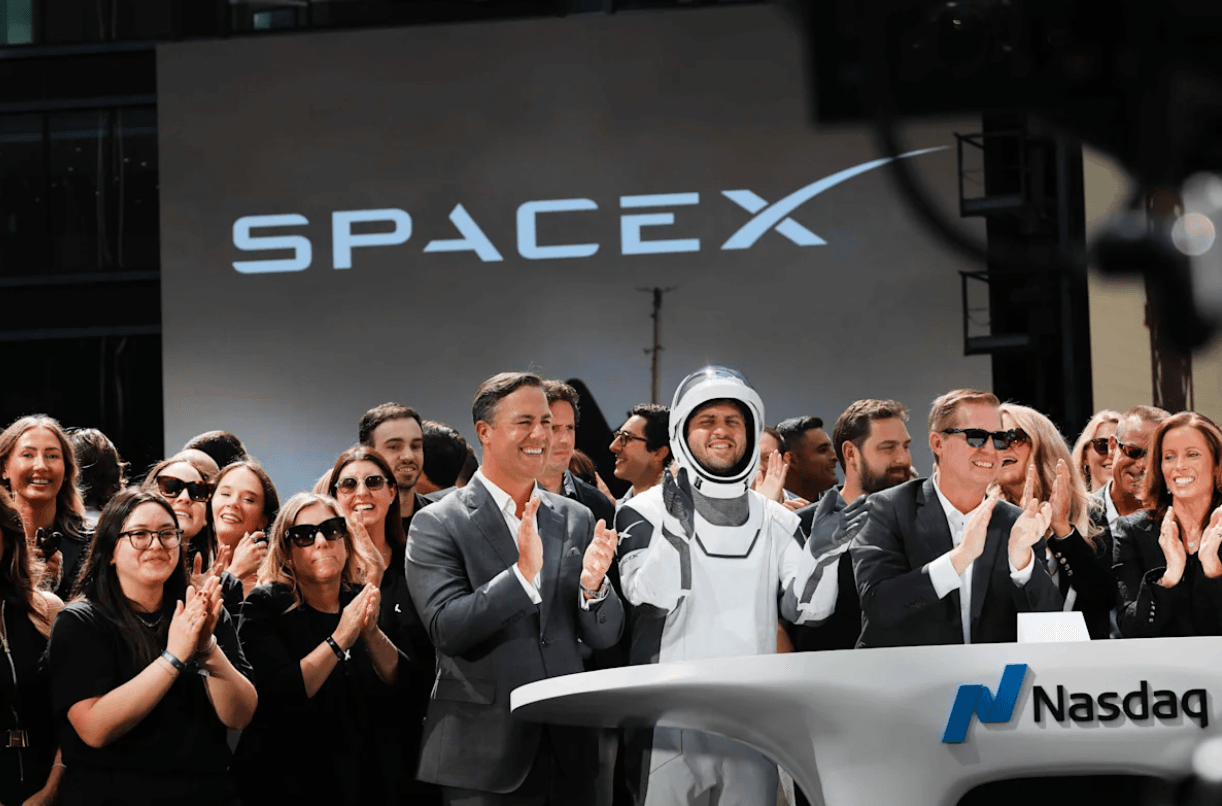
August 6 is the most important date in SPCX stock's brief public life. Not because it is the first earnings report, although that matters. Not because the lockup expiry creates supply pressure, although that matters too. August 6 is the most important date because it is the first moment when investors can see whether the business underneath the extraordinary IPO valuation is performing at the pace the $135 IPO price assumed, at the pace the $225 all time high assumed, or somewhere in between.
SPCX stock at $137 today is priced at a level that reflects neither peak enthusiasm nor genuine pessimism about the underlying business. It reflects the removal of speculative momentum premium from a stock that had it in abundance during the first days of trading. What August 6 determines is whether the business fundamentals that remain after that premium has deflated are sufficient to push the stock meaningfully higher, hold it near current levels, or reveal that the $135 IPO price itself was optimistic.
Why This Earnings Report Is Different From Any Other
Most first earnings reports from newly public companies are treated as early data points rather than definitive verdicts on the business. SpaceX's August 6 report will be treated differently for reasons specific to how the IPO was positioned and what the market has been pricing.
The IPO prospectus described specific revenue streams and growth trajectories that investors used to justify the $135 IPO price and the subsequent run to $225. Three months have now passed since the IPO closed. The Anthropic contract that was announced as generating approximately $1.25 billion per month has been running for a full quarter. The Google contract has been accumulating toward its September 30 GPU delivery deadline. Starlink has been adding subscribers. The Q1 loss of $4.28 billion has been followed by a full quarter of operations under the new combined SpaceX and xAI structure.
August 6 is the first time any of those trajectories appears in audited financial statements rather than in management presentations, analyst models, or media reports. The gap between what the prospectus implied and what the financial statements show is the single most informative piece of information available about whether SPCX stock deserves to trade above, at, or below its current $137 level.
The Starlink Subscriber Number That Overrides Everything Else
If SPCX stock's August 6 report has one number that overrides everything else in terms of immediate market impact, it is the Starlink subscriber count and the trajectory it implies for the second half of 2026.
Management has described 10 million subscribers as a significant milestone for Starlink's business maturity. The current subscriber count is approaching but has not yet reached that level. The rate at which subscriber additions are accelerating or decelerating tells investors whether Starlink is still in a rapid growth phase or whether it is approaching a plateau in its currently addressable market.
The economic significance of the subscriber number goes beyond the revenue it implies. Starlink's cost structure is heavily front-loaded in the satellite constellation and ground infrastructure that is already built. Each marginal subscriber generates revenue at a cost that is primarily terminal hardware and customer acquisition rather than ongoing infrastructure. When subscribers grow faster than infrastructure costs, the marginal contribution improves and the path to the operating profit that justifies the valuation becomes shorter.
Subscriber growth below expectations on August 6 is the single outcome most likely to produce a sustained negative reaction in SPCX stock beyond what lockup selling alone would create. It would suggest that Starlink's total addressable market in its current form is smaller than the bull case assumed, which has compounding implications for every projection that uses Starlink as the foundation of the valuation model.
Subscriber growth at or above expectations provides the fundamental support that allows the lockup selling to be absorbed without the stock breaking below the $135 IPO price. It is not sufficient on its own to drive SPCX stock meaningfully higher on August 6, but it is the necessary condition for any positive reaction to the other metrics in the report.
The AI Segment Revenue That Has Never Been Reported Before
Every piece of analysis written about SpaceX's AI compute revenue has been based on disclosed contract terms, analyst estimates, and management commentary rather than reported financial results. August 6 changes that for the first time.
The Anthropic contract generating approximately $1.25 billion per month and the Google contract generating approximately $920 million per month represent combined annual run-rate revenue of over $25 billion if both are running at full capacity and if the contract terms are being honored. The Q2 report will show how much of that contracted revenue actually appeared in recognized revenue during the quarter.
Revenue recognition in multi-party compute contracts is more complex than it might initially appear. The timing of when contracted revenue becomes recognized revenue depends on when specific performance obligations are met, which for a data center contract typically means when the compute capacity is available and accessible to the customer. If the Colossus2 litigation affected the availability of committed compute capacity during Q2, some portion of the contracted revenue may not have been recognized even if the contracts themselves remained active.
This is the specific uncertainty that the AI segment disclosure on August 6 resolves. The gap between what the contracts imply and what was actually recognized in Q2 is the most direct measure available of whether the Colossus2 situation materially affected AI revenue in the second quarter.
Beyond the recognition question, management commentary on whether the Anthropic and Google relationships are trending toward renewal beyond their initial terms is the forward looking signal that matters most for how analysts model the AI segment in 2027 and beyond. The 180 day Anthropic lease with 90 day cancellation terms means the October 2026 decision point is only three months after August 6, making any renewal signals in the August 6 call unusually time sensitive.
The Google September 30 Deadline That August 6 Previews
The Google AI compute contract includes a specific provision requiring SpaceX to deliver access to approximately 110,000 Nvidia GPUs by September 30, 2026. If that delivery obligation is not met, Google has the contractual right to terminate immediately or accept a reduced fee arrangement.
August 6 is the last earnings call before that deadline. Management's commentary on the GPU delivery progress will be the only public information available about whether SpaceX is on track to meet the September 30 obligation before investors find out whether Google exercises its termination right.
Any language suggesting confidence about the September 30 delivery, any specific milestone updates about data center capacity at Colossus facilities, and any mention of GPU procurement or deployment progress will be parsed intensively by analysts trying to assess whether Google's termination option gets exercised.
The September 30 deadline also creates specific trading dynamics around August 6. Investors who believe the Google deadline will be met will use any positive management commentary about GPU delivery progress as a signal to add SPCX stock exposure. Investors who are concerned about the deadline will be listening for any hedging language or lack of specificity about delivery confidence as a warning signal.
The Loss Trajectory That Determines Multiple Expansion
SPCX stock currently trades at an extraordinary market capitalization for a company reporting multi-billion dollar quarterly losses. The Q1 loss of $4.28 billion represented a dramatic widening from the $528 million loss in the preceding quarter. Understanding whether that widening reflects a temporary investment acceleration or a more sustained pattern is the financial statement question that most directly affects how investors value the stock.
The specific components of the Q1 loss that investors will want to see updated in Q2 are research and development expenses related to Starship development, data center construction capital expenditure, xAI integration costs that may have inflated operating expenses in the first full quarter after the February 2026 merger, and whether any of the Anthropic or Google contract revenue offset the operating losses in ways that the Q1 numbers did not fully reflect.
A Q2 loss that is meaningfully smaller than Q1's $4.28 billion would signal that the investment acceleration phase is moderating or that AI segment revenue is beginning to offset the cost structure in ways that narrow the path to profitability. A Q2 loss that is comparable to or larger than Q1 would extend the timeline before the business is self-funding and increase the pressure from the $25 billion bond offering's debt service requirements.
For SPCX stock to sustain any meaningful recovery above $137, the loss trajectory needs to show either narrowing or a credible explanation for why the current loss level represents a temporary peak rather than a baseline.
The Starship Update That August 6 Must Include
The FAA investigation closure on July 14 removed the external regulatory constraint on the next Starship integrated flight test. By August 6, SpaceX will have had approximately three weeks to submit its license amendment application and begin the review process.
Management commentary on August 6 about the Starship timeline, the specific objectives of the next flight test, and the cadence of planned test flights through the remainder of 2026 will be the first formal guidance on how quickly the FAA closure translates into actual Starship progress.
For investors who bought SPCX stock specifically on the Starship long-term thesis, the August 6 call is where management first addresses the question of what the FAA closure means for their internal planning. A specific flight test date or a narrow timeframe estimate would be significantly more informative than a general statement that the program is proceeding well.
The Starship update matters for the $800 target specifically because Raymond James's extraordinary price target depends on Starship achieving commercial certification on a timeline that begins with the next integrated flight test. Every confirmed milestone in the Starship program between now and August 6 either validates or challenges the timeline embedded in that target.
What the Lockup Expiry Means for Reading the Results
The simultaneous arrival of the first earnings report and the lockup expiry on August 6 creates a specific challenge for interpreting how the stock reacts to the earnings results.
If SPCX stock falls on August 6 despite positive earnings results, investors face the question of whether the decline reflects lockup selling that overwhelms fundamental buying or genuine market disappointment with results that looked positive on the surface. These require different responses. Lockup selling pressure that overwhelms positive earnings is typically temporary and creates buying opportunities. Market disappointment with results that appeared positive requires more careful analysis of whether the market is seeing something in the numbers that the headline figures obscure.
If SPCX stock rises on August 6 despite a significant lockup expiry, the signal is unusually strong that the earnings results were positive enough to attract new buyers in excess of insider sellers. That combination, positive results absorbing lockup supply, is the setup that historically precedes sustained price recovery rather than temporary bounces.
The most challenging scenario is a mixed earnings report arriving simultaneously with lockup selling, where different investors interpret the same numbers differently and the stock trades with elevated volatility without establishing a clear direction. In that scenario, the week following August 6 rather than the day itself becomes the most informative period for understanding how the market has processed the first earnings report.
For those looking to participate in global financial markets, having access to the right trading platform matters. WEEX offers crypto and stock trading products, covering major global markets including US stocks and digital assets.
Conclusion
SPCX stock's August 6 earnings report is not a routine quarterly disclosure. It is the first financial accounting of whether the business that went public at $135 and briefly traded at $225 is performing at the pace either of those price levels implied.
The five specific metrics that will determine the stock's direction are the Starlink subscriber count and growth trajectory, the AI segment recognized revenue versus the contracted run-rate, management commentary on the Google September 30 GPU delivery deadline, the Q2 loss trajectory relative to Q1's $4.28 billion, and the Starship development timeline update following the FAA investigation closure.
SPCX stock at $137 heading into August 6 is priced for uncertainty rather than for a specific outcome. The twenty three days between today and August 6 will not resolve that uncertainty. August 6 will.
FAQ
1. When does SPCX stock report its first earnings?
SPCX stock reports its first quarterly earnings as a public company on August 6, 2026. The report covers Q2 2026 results and will be the first time investors see audited financial data from SpaceX's operations under its current structure including the xAI merger completed in February 2026.
2. What is the most important metric to watch in SPCX stock's August 6 earnings?
The Starlink subscriber count and growth trajectory is the single most important metric because Starlink is the only currently profitable segment and its subscriber economics form the foundation of every analyst's valuation model for SPCX stock. AI segment recognized revenue is the second most important metric because it translates contracted revenue into reported financial results for the first time.
3. What is the Google September 30 deadline and why does it matter for August 6?
The Google AI compute contract requires SpaceX to deliver access to approximately 110,000 Nvidia GPUs by September 30, 2026. If the obligation is not met, Google can terminate the contract or accept a reduced fee. August 6 is the last earnings call before that deadline, making management commentary on GPU delivery progress the most time-sensitive forward-looking disclosure in the report.
4. Why does the lockup expiry on August 6 complicate the earnings interpretation?
Approximately 20% of insider shares become eligible for sale after the August 6 earnings report, creating potential selling pressure that is independent of how the earnings results land. A stock decline on positive earnings could reflect lockup selling rather than genuine disappointment, while a stock rise despite the new supply would signal unusually strong earnings results.
5. What would make SPCX stock react positively to August 6 earnings?
Starlink subscriber growth at or above expectations, AI segment recognized revenue confirming the contracted run-rate is being captured in financial statements, confident management commentary on the Google September 30 GPU delivery timeline, a Q2 loss meaningfully smaller than Q1's $4.28 billion, and a specific Starship development timeline following the FAA investigation closure would collectively provide the strongest positive catalyst combination.
Disclaimer: This content is provided for general branding and informational purposes only and doesn't constitute financial, investment, legal, or tax advice. Any events, rewards, online events, or related information mentioned herein should not be considered a recommendation, solicitation, or invitation to purchase, sell, trade, or otherwise deal in any crypto assets or to use any services. Crypto assets are highly volatile and may result in loss. WEEX services and online events may not be available in all regions and are subject to applicable laws, regulations, and eligibility requirements. You are responsible for ensuring that your use of WEEX services complies with local laws and for carefully assessing the risks before participating in any crypto-related activities.
You may also like

SpaceX Stock (SPCX): Price, Outlook and How to Buy
Tangem vs Ledger: Which Hardware Wallet Is Better
Choosing between Tangem and Ledger comes down to how you want to hold keys: a tap-to-sign card with…
Tangem Card Setup: What to Do Since There’s No Seed Phrase
If you’re used to wallets that make you handwrite a seed phrase, Tangem feels different. There’s no seed…

How Does Tangem’s Card-Based Wallet Work? A Complete Beginner’s Guide
This guide explains how a tangem card wallet generates and stores private keys inside a secure chip, how…
What Is Tangem Wallet? A Complete Beginner’s Guide
Tangem is a hardware wallet shaped like a bank card. You tap it on your phone to approve…

Is SafePal Safe? A Look at Its Security Features
SafePal combines an air‑gapped hardware wallet with a mobile app, promising offline key storage and QR‑code transaction signing.…
Micron Stock vs SK Hynix Stock: Which AI Memory Giant Is the Better Buy After SKHY's Nasdaq Debut?
Micron stock is trading down roughly 27% from its all time high. SK Hynix stock through SKHY is trading up 13% from IPO price. This guide compares them directly on the dimensions that matter for the buy decision now that SKHY gives US investors direct access to both names for the first time.

Micron Stock and the $250 Billion US Investment Plan: What It Means for MU Investors
Micron announced a commitment to invest $250 billion in US-based memory manufacturing and research by 2035. This guide examines what the $250 billion plan actually means for the business, the stock, and the investment case.

MU Stock Tests $900 Again: Is This the Buying Opportunity or the Beginning of a Bigger Drop?
MU stock fell roughly 5.76% on July 14, testing the $900 support level for the second time in recent weeks. This guide examines whether $900 is a floor or a level the market is willing to break through.

MSFT Stock vs GOOGL Stock: Which Cloud Giant Is the Better Buy Right Now?
MSFT stock is down 18% year to date trading near $390. GOOGL stock has pulled back roughly 12% from its all time high trading near $358. Both face the same capex anxiety story. This guide compares them directly on the dimensions that matter for the buy decision rather than on company history.

Microsoft Is Replacing OpenAI With Its Own AI Models: What MAI Means for MSFT Stock
Bloomberg reported that Microsoft is replacing some OpenAI software with its own in house AI models called MAI. MSFT stock is already down 18% year to date. This development changes the market's most persistent concern about Microsoft in a specific and positive direction.
MSFT Stock Is Down 18% in 2026: Buy, Hold or Sell Before July 29 Earnings?
MSFT stock is down roughly 18% year to date, trading around $390 against a 52 week high of $555. This guide focuses on whether the 18% decline and the approaching earnings create a buy, hold, or sell setup rather than a generic investment overview.
SPCX Stock Price Target of $800: What Would It Actually Take to Get There?
Raymond James set an $800 price target for SPCX stock price on July 14, the highest published analyst target for SpaceX. This guide examines what the business would actually need to deliver for SPCX stock price to reach $800 and what timeline is realistic.
SPCX Stock Jumps After FAA Closes Starship Investigation: What It Means for SpaceX
The FAA formally closed its investigation into SpaceX's Starship booster return on July 14, removing one of the most cited regulatory overhangs on SPCX stock since the IPO. This guide examines what the FAA investigation actually was, why it mattered, and what its closure changes for SpaceX and SPCX investors.

SPCX Stock Is Approaching Its $135 IPO Price: Is This the Best Entry Point?
SPCX stock fell to approximately $137 on July 14, its lowest point since the June 12 IPO at $135. The FAA closed its Starship investigation today, Raymond James set an $800 price target, and Grok 4.5 beat GPT 5.5 in professional benchmarks. This guide examines whether that combination creates the entry point the bull case has been waiting for.
SOXL Stock Explained: How the 3X Semiconductor ETF Really Works
SOXL stock is the Direxion 3X semiconductor ETF. Learn how its daily leverage works, why it decays over time, and who should actually trade it.
SpaceX Stock Today: Live Price, IPO Fallout, and How to Trade It
SpaceX stock today trades near its $135 IPO price after peaking above $225. See the live SPCX picture, analyst targets, and how to trade it.
VEEE Stock: Why Twin Vee Soared on the USFM Merger
VEEE stock spiked after Twin Vee's USFM reverse merger. Here's what shareholders get, the CVR trust, price outlook, and the real risks.
SNDK Stock Today: Price, Rally Drivers, and What to Watch
SNDK stock today trades near $1,700–$1,760 as SanDisk stays 2026's top S&P 500 gainer. See the price, AI-memory drivers, analyst targets, and risks.
How to Buy GDWR Safely: Verify Before You Swap
How to buy GDWR (Global Digital Water Reserve) on Solana — verify the real contract, avoid clones, and size a high-risk position safely.

Introducing Cash Cat ($CASHCAT): Robinhood Chain Meme Token and Price Prediction
Cash Cat is a Robinhood Chain meme token drawing attention after a fast market debut, a 1B supply, and sharp price swings.
LLY Stock Forecast: Can AI and Weight Loss Drugs Drive More Growth?
This article maps how Eli Lilly’s GLP-1 weight-loss franchise and AI-driven R&D could influence LLY’s traditional equity and…

CASHCAT Airdrop: How to Earn Up to 50,000 USDT in Rewards on WEEX
This guide breaks down how the CASHCAT Airdrop works on WEEX, the rewards on the table, and a…
What Is SOXS ETF? The 3X Bear Semiconductor ETF Explained
This guide breaks down SOXS—the Direxion Daily Semiconductor Bear 3X Shares—so you understand what a 3x inverse semiconductor…

Trust Wallet Transaction Stuck or Failed? Here's How to Fix It
A stuck or failed transaction in Trust Wallet is one of the most common problems crypto users encounter and one of the most misunderstood. The cause is almost always related to gas fees or network congestion rather than anything wrong with your wallet. This guide explains why transactions get stuck or fail, how to fix each situation, and how to prevent it from happening again.
Trust Wallet vs MetaMask: Which One Is Better for Beginners?
Trust Wallet and MetaMask are the two most widely used self-custody crypto wallets in the world. They serve different primary purposes and suit different types of crypto users. This guide compares them directly on the dimensions that matter most for beginners making their first wallet choice.

Trust Wallet Seed Phrase: How to Store It Safely and What Never to Do
Your Trust Wallet seed phrase is the single most important piece of information associated with your crypto holdings. Every security measure in the world is irrelevant if your seed phrase is compromised. This guide focuses entirely on storage methods, the specific mistakes that lead to loss, and the habits that protect your seed phrase over the long term.
O Airdrop for New Users: Earn USDT Rewards on WEEX
New to trading O and looking for USDT rewards? This guide explains how the WEEX O Airdrop for…
How to Install Trust Wallet Safely: What Most Guides Leave Out
Most Trust Wallet installation guides tell you where to download the app and how to save your recovery phrase. Few explain the specific mistakes that result in lost funds, compromised wallets, and successful phishing attacks during the setup process. This guide focuses on what those other guides skip.
Samsung Stock vs SK Hynix Stock: Which Korean Memory Giant Is the Better Buy Right Now?
Samsung stock and SK Hynix stock are the two largest memory companies in the world and the two dominant forces in the AI memory boom of 2026. This guide compares the two specifically on the variables that matter for the buy decision rather than on company history or general descriptions.
SpaceX Stock (SPCX): Price, Outlook and How to Buy
Tangem vs Ledger: Which Hardware Wallet Is Better
Choosing between Tangem and Ledger comes down to how you want to hold keys: a tap-to-sign card with…
Tangem Card Setup: What to Do Since There’s No Seed Phrase
If you’re used to wallets that make you handwrite a seed phrase, Tangem feels different. There’s no seed…
How Does Tangem’s Card-Based Wallet Work? A Complete Beginner’s Guide
This guide explains how a tangem card wallet generates and stores private keys inside a secure chip, how…
What Is Tangem Wallet? A Complete Beginner’s Guide
Tangem is a hardware wallet shaped like a bank card. You tap it on your phone to approve…
Is SafePal Safe? A Look at Its Security Features
SafePal combines an air‑gapped hardware wallet with a mobile app, promising offline key storage and QR‑code transaction signing.…