
What Is Chinese Digital Oil Fund (CDOF) Coin? How WEEX Users Can Track Oil-Themed Token Opportunities


KEY TAKEAWAYS
CDOF is a Solana-based token using Chinese oil-reserve and digital fund branding.
Oil-themed crypto tokens can attract attention because they connect commodities, RWA narratives, and speculative trading.
CDOF should not be treated as a confirmed oil-backed asset unless legal, custody, and reserve proof is available.
WEEX users can track oil-themed opportunities by watching liquidity, holder concentration, contract data, volume quality, and narrative timing.
The safest approach is to separate three layers: story, market structure, and verification.
What is CDOF Coin?
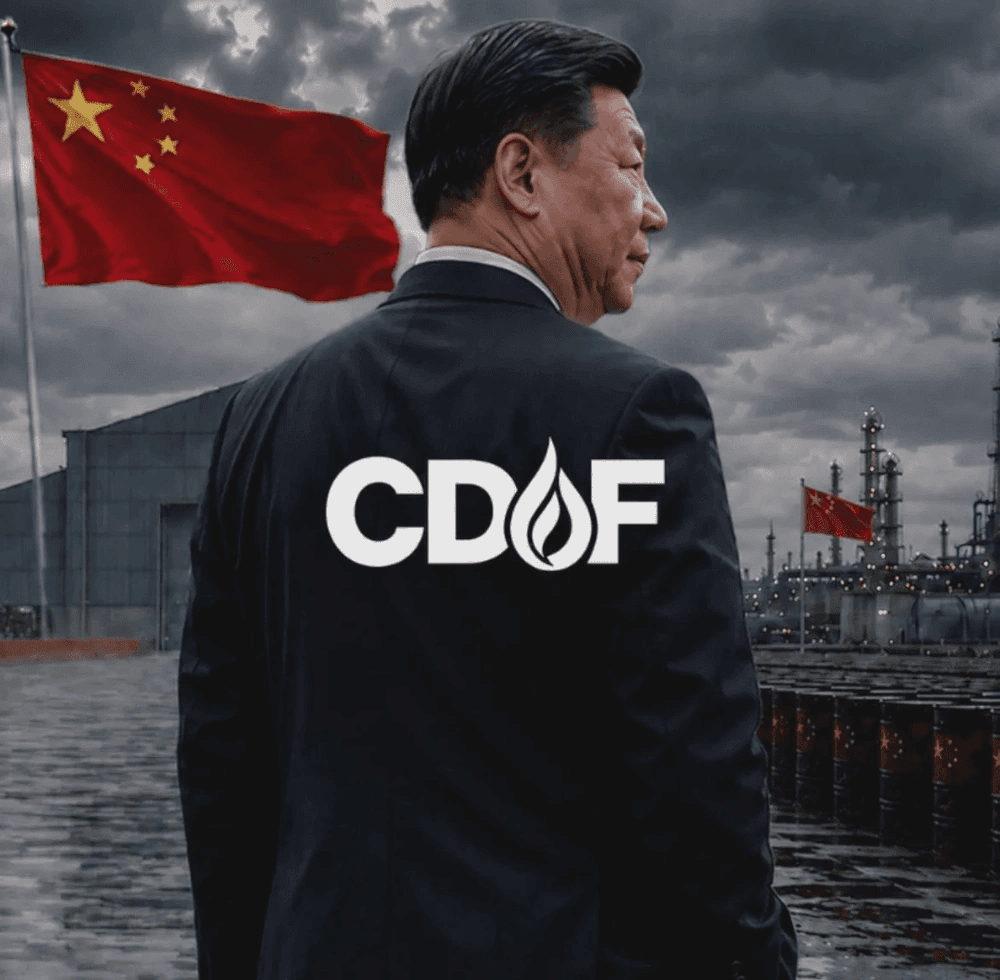
CDOF stands for Chinese Digital Oil Fund. It is presented as a Solana token using petroleum reserve, digital fund, and on-chain reporting concepts. The name gives the project a structured feel because it connects crypto with oil, a real-world commodity that traders already understand.
That does not mean CDOF is the same as an oil ETF, a regulated commodity fund, or a tokenized claim on stored barrels. A crypto token can reference petroleum markets without giving holders ownership rights, income rights, or redemption rights. From a WEEX research perspective, CDOF should be reviewed first as an oil-themed speculative token, then checked for any proof that would support a stronger asset-backed case.
Users researching early narratives can also start crypto trading on WEEX while applying a disciplined token-check framework.
Why oil-themed tokens are trending
Oil-themed tokens are gaining attention because they tell a simple story. Oil is tied to inflation, geopolitics, energy demand, transportation, and national reserves. Traders do not need a complex DeFi explanation to understand why oil can matter.
The crypto angle comes from the real-world asset narrative. RWA projects aim to connect blockchain rails with off-chain assets, and commodities are an easy category for traders to imagine on-chain. The problem is that many small tokens borrow RWA language without offering the legal structure that real asset-backed products require. That gap is where most of the risk sits.
How CDOF fits the oil-token trend
CDOF fits the current wave of reserve-style tokens that use terms such as oil, fund, reserve, strategic, digital, or national. These words can help a token stand out in a crowded Solana market, especially when traders are looking for the next simple narrative.
The important point is that CDOF’s appeal comes from the story first. If the project later provides stronger tokenomics, audits, custody records, or legal details, the analysis may change. Until then, traders should treat the token as narrative-driven. A strong name can bring attention quickly, but attention alone does not create durable value.
Is CDOF backed by real oil?
CDOF should not be treated as a confirmed oil-backed token unless the project provides verifiable documents. A serious commodity-backed product would normally show legal agreements, reserve audits, custody records, issuer details, insurance terms, and redemption rules.
This matters because “oil exposure” and “oil-themed token” are not the same thing. Oil exposure implies a defined link to the underlying commodity. An oil-themed token may simply trade on the idea of oil. If that link is unclear, the token’s price depends more on liquidity, social momentum, and trader confidence than on physical petroleum assets.
What WEEX users should track first
WEEX users tracking oil-themed tokens should start with market structure, not price. Price is the most visible number, but it can be misleading when liquidity is thin. A token may show a sharp rally while the actual exit path is weak.
The first checks are contract accuracy, active trading pair, pool depth, spread, slippage, holder distribution, and token permissions. These details help traders understand whether the market can support real trading activity. If a token has a strong chart but a shallow pool, the opportunity may be harder to trade than it looks.
Reading narrative timing
Oil-themed tokens often move when energy headlines are active. Inflation surprises, crude oil price spikes, geopolitical tension, or broader RWA market interest can all push traders toward commodity narratives.
Timing still matters. A token that rallies after a headline may already be late in its short-term move. WEEX users should watch whether attention is building gradually or arriving in one sudden burst. Gradual volume growth with improving liquidity is healthier than a single viral spike followed by fading activity.
Liquidity and slippage matter more than hype
Low-liquidity tokens can move fast because small orders have a bigger impact. That creates the appearance of strong momentum, but it can also trap late buyers. If the pool is shallow, the price shown on a chart may not be the price a trader can actually exit at.
Before touching CDOF or similar oil-themed tokens, users should review price impact and minimum received. If a small swap creates heavy slippage, the token is not trading cleanly. In that case, the risk is not only market direction. It is execution quality.
Tokenomics and holder distribution
Tokenomics should be checked on-chain whenever possible. Total supply is only the starting point. Circulating supply, top-wallet concentration, liquidity allocation, and token permissions often tell a more useful story.
A token with concentrated holders can move sharply when one wallet sells. A token with unclear mint authority may carry extra contract risk. A token with thin liquidity may not handle larger orders. For early oil-themed tokens, these mechanics often matter more than the project’s narrative deck.
How to separate opportunity from noise
A cleaner oil-themed token opportunity usually has several signals working together. The narrative is active, volume is rising across more than one session, liquidity is improving, holders are becoming more distributed, and project claims are getting clearer.
Noise looks different. Price jumps quickly, social posts repeat the same slogan, liquidity stays thin, and the project cannot explain what token holders actually receive. CDOF and similar tokens can still move in noisy conditions, but the risk is much higher. The goal is not to avoid every risky asset. The goal is to know what kind of risk is being taken.
A WEEX-style tracking framework
From a WEEX research perspective, tracking oil-themed tokens works best as a checklist. Start with the story: why is this token getting attention now? Then check the structure: can the token be traded with acceptable liquidity and clear contract data? Finally, check verification: are asset-related claims backed by documents?
If all three layers improve together, the token may deserve a closer look. If only the story is strong, it is probably a speculative trade, not a confirmed investment case. That difference matters, especially for beginners who may be new to Solana wallets, DEX liquidity, and token permissions.
Final thoughts
CDOF is part of a broader oil-themed crypto trend that blends commodity language with Solana market speed. That combination can attract attention quickly, especially when traders are looking for simple narratives tied to real-world assets.
For WEEX users, the disciplined approach is to track CDOF through data, not branding. Watch liquidity, holders, contract permissions, volume quality, and proof behind reserve claims. The story may explain why traders are interested. The structure decides whether the opportunity is worth taking seriously.
FAQ
1. What is Chinese Digital Oil Fund (CDOF) Coin?
CDOF is a Solana-based token using Chinese oil-reserve and digital fund branding. It should be treated as speculative unless the project provides clear proof of real asset backing, custody, and redemption rights.
2. Why are oil-themed tokens getting attention?
Oil-themed tokens are getting attention because they connect crypto trading with commodities, inflation, geopolitics, and real-world asset narratives. The story is easy to understand, which can attract speculative demand quickly.
3. Is CDOF backed by real oil?
Users should not assume CDOF is backed by real oil unless legal documents, reserve audits, custody records, and redemption terms are available. Oil-related branding alone is not proof of asset backing.
4. How can WEEX users track CDOF opportunities?
WEEX users can track CDOF by watching contract accuracy, liquidity depth, trading volume, holder distribution, token permissions, and whether project claims become more verifiable over time.
5. What is the biggest risk with CDOF?
The biggest risk is confusing the oil-reserve story with verified asset backing. Other major risks include low liquidity, slippage, copycat tokens, concentrated holders, and unclear token controls.
6. What makes an oil-themed token setup stronger?
A stronger setup usually has rising volume across multiple sessions, deeper liquidity, wider holder distribution, clear tokenomics, and better documentation around any asset-related claims.
7. Should beginners trade CDOF based on hype?
No. Beginners should avoid trading only because a token is trending. They should first verify the token mint, check liquidity, understand slippage, and decide how much risk they can tolerate.
8. What else can WEEX users review?
Users researching the WEEX ecosystem can also review WEEX Token (WXT), the platform token of WEEX. New users may also check the WEEX welcome bonus, which can include trading bonuses, coupons, or task-based rewards tied to account setup, deposits, or trading activity.
DISCLAIMER: WEEX and affiliates provide digital asset exchange services, including derivatives and margin trading, onlywhere legal and for eligible users. All content is general information, not financial advice-seek independentadvice before trading. Cryptocurrency trading is high risk and may result in total loss. By using WEEX services you accept all related risks and terms. Never invest more than you can afford to lose. See our Terms of Use and Risk Disclosure for details.
You may also like

America250 Coin Price Analysis: Is the Hype Still Alive Days Before the July 4 Snapshot?
America250 Coin price analysis 2026: Will the July 4 snapshot trigger a rally or crash? Get the latest America250 Coin price, risks, and post-event outlook.
Mexico vs England Crypto Odds: Azteca Factor and the Divergence Between Traditional and Blockchain Prediction Markets
Mexico vs England crypto odds: Azteca factor narrows the gap. Get match analysis, score predictions, and crypto odds movement for this Round of 16 clash.
SNDK Stock Price Prediction 2026-2030: Can SNDK Stock Reach $3,000 on AI Storage Demand?
SNDK stock price prediction 2026: Can Sandisk reach $3,000? Get analyst targets, key drivers, and learn how to trade SNDK stock on WEEX TradFi 24/7.
How to Spot a Rug Pull on DexScreener: Red Flags Every Trader Should Know
Rug pulls thrive in fast-moving memecoin markets, but you can filter many of them in minutes using DexScreener.…
DexScreener vs DEXTools: Which Token Screener Is Better for Crypto Traders?
DexScreener and DEXTools are the two most-used token screeners for onchain traders. This guide compares their data coverage,…
How to Use DexScreener to Find New Tokens Before They Pump
This guide shows you how to use DexScreener’s real-time tools—especially the New Pairs tab—to spot fresh listings with…
What Is DexScreener? The Beginner’s Guide to Reading DEX Data in 2026
DexScreener is a free, real‑time dashboard for decentralized exchange (DEX) pairs across dozens of blockchains. This guide shows…
What is Strategy(MSTR) Coin? Everything You Need to Know about MSTR/USDT Perpetual Futures on WEEX
This guide explains what Strategy (MSTR) Coin represents on WEEX, why the MSTR/USDT perpetual futures track equity momentum…
Can MSTR Reach $150 in 2026? MSTR Price Prediction
KEY TAKEAWAYS Current MSTR/USDT futures price: $103.49 at publication time. Required move to hit $150: about +45% from…
SNDK Stock Price Prediction 2030: Can Sandisk Reach $5,000?
Sandisk has become one of the most volatile AI memory and storage-linked stocks. This SNDK stock forecast looks at whether Sandisk can reach $5,000 by 2030, what needs to happen, and which risks traders should watch.
Sandisk Stock Forecast 2026: Can SNDK Recover From $1,843.99 and Reach $3,000?
Sandisk is trading around $1,843.99 after a 7.05% drop, putting the $3,000 target back in focus. This SNDK stock forecast explains the upside math, key support levels, catalysts, and risks for 2026.
AAOI Stock Forecast: Is AAOI a Good Stock to Buy After the AI Optical Rally?
AAOI stock is attracting attention as investors weigh AI data-center demand, price targets, fair value, shareholder ownership, and whether Applied Optoelectronics is still a good stock to buy after its sharp rally.
Tesla Stock Falls 7% After Beating Delivery Estimates by 18%: What Just Happened
Tesla stock fell roughly 7% on July 2 after reporting Q2 deliveries of 480,126 vehicles, an 18% beat against the 406,024 consensus. The stock had already rallied 24% from its April low heading into the print. This guide explains the specific mechanics behind a selloff that confused most investors who were expecting good news to produce a rally.
Is Tesla Stock a Buy After the Post-Delivery Selloff?
Tesla stock fell 7% on July 2 despite an 18% delivery beat. At approximately $390, the stock is down roughly 17% year to date and trading well below its January peak. This guide focuses on the buy-or-wait decision after the selloff, not on what caused it.
Prediction Market Regulations: What WEEX Users Should Know Before Trading Event Contracts
Prediction market regulations vary by country, state, event type, and platform structure. This WEEX-style education guide explains the main regulatory issues around event contracts, election markets, sports outcomes, crypto prediction markets, and user risk checks without treating prediction markets as a WEEX trading product.
How to Buy SK Hynix Stock on Nasdaq: SKHY, SKHL and Everything in Between
SK Hynix stock lists on Nasdaq on July 10 under the ticker SKHY. A leveraged version called SKHL follows shortly after. US and European investors now have multiple ways to access the world's largest HBM supplier. This guide walks through every option available, who each one is right for, and what to watch before placing your first order.
How to Make Money on Prediction Markets: Strategies, Risks, and What WEEX Users Should Know
Prediction markets can create profit opportunities when traders price future events better than the crowd, but they also carry liquidity, legal, settlement, and behavioral risks. This WEEX-style education guide explains how prediction market profits work, why they are not guaranteed, and how crypto users can treat prediction markets as an external research theme rather than a WEEX trading product.
What is manlet(MANLET) Coin? A comprehensive guide to the Solana meme token and where to buy MANLET/USDT on WEEX
manlet (MANLET) is a new Solana-based meme coin inspired by posts from manletonpf and community discussions around Ansem…
America250 Coin Price Analysis: Is the Hype Still Alive Days Before the July 4 Snapshot?
America250 Coin price analysis 2026: Will the July 4 snapshot trigger a rally or crash? Get the latest America250 Coin price, risks, and post-event outlook.
Mexico vs England Crypto Odds: Azteca Factor and the Divergence Between Traditional and Blockchain Prediction Markets
Mexico vs England crypto odds: Azteca factor narrows the gap. Get match analysis, score predictions, and crypto odds movement for this Round of 16 clash.
SNDK Stock Price Prediction 2026-2030: Can SNDK Stock Reach $3,000 on AI Storage Demand?
SNDK stock price prediction 2026: Can Sandisk reach $3,000? Get analyst targets, key drivers, and learn how to trade SNDK stock on WEEX TradFi 24/7.
How to Spot a Rug Pull on DexScreener: Red Flags Every Trader Should Know
Rug pulls thrive in fast-moving memecoin markets, but you can filter many of them in minutes using DexScreener.…
DexScreener vs DEXTools: Which Token Screener Is Better for Crypto Traders?
DexScreener and DEXTools are the two most-used token screeners for onchain traders. This guide compares their data coverage,…
How to Use DexScreener to Find New Tokens Before They Pump
This guide shows you how to use DexScreener’s real-time tools—especially the New Pairs tab—to spot fresh listings with…