
How to Buy SK Hynix Stock on Nasdaq: SKHY, SKHL and Everything in Between

SK Hynix stock is eight days away from trading on Nasdaq, and the number of ways to buy it just expanded.
The July 10 SKHY ADR listing was already the most anticipated foreign company debut on a US exchange in years. Then on July 2, Direxion filed to launch SKHL, a 2x daily leveraged ETF tracking SKHY, expected to begin trading shortly after the ADR lists. SK Hynix stock now comes in multiple forms for US investors, each appropriate for a different kind of investor with a different kind of goal.
This guide covers all of them. The right choice depends on your time horizon, your risk tolerance, and what you are actually trying to accomplish with a position in the world's largest HBM supplier.
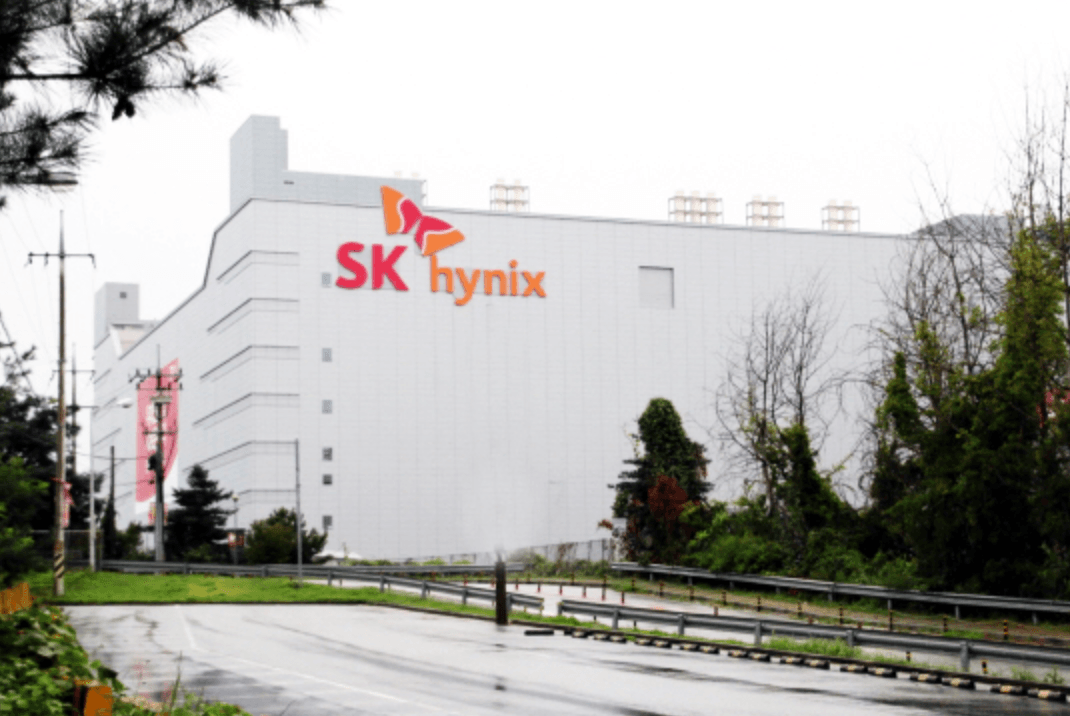
Option One: SKHY — The Direct ADR
The most straightforward way to buy SK Hynix stock after July 10 is through the SKHY ADR on Nasdaq.
SKHY will trade on the Nasdaq Global Select Market under that ticker. Each ADR represents one-tenth of one SK Hynix Korean common share. The Korean shares currently trade at approximately 2,574,000 won per share. One ADR therefore represents economic ownership equivalent to approximately 257,400 won, or roughly $187 at current exchange rates, consistent with the expected ADR pricing range.
Buying SKHY after July 10 works exactly like buying any US-listed stock. You search for the ticker in your brokerage account, place a market or limit order during Nasdaq trading hours of 9:30 am to 4:00 pm Eastern Time, and the transaction settles through normal US brokerage infrastructure in US dollars. No Korean brokerage account is needed. No currency conversion is required at the time of purchase. No special permissions beyond standard US equity access are necessary.
SKHY is the right instrument for investors who want long-term exposure to SK Hynix's business — its 58% HBM market share, its inclusion in Nvidia's Vera Rubin platform, its Q2 2026 earnings report due July 29, and its position as the central supplier for AI accelerator memory through 2027 and beyond. SKHY can be held indefinitely. Dividends from the underlying Korean shares pass through to ADR holders in dollar terms. Position sizing is straightforward: each SKHY share represents one-tenth of one Korean share, priced in dollars.
Option Two: SKHL — The 2X Leveraged Daily ETF
For active traders rather than long-term investors, Direxion's SKHL offers a different kind of SK Hynix stock exposure.
SKHL seeks daily investment results of 200% of SKHY's daily performance. If SKHY rises 4% in a single session, SKHL seeks to return approximately 8%. If SKHY falls 5%, SKHL seeks to lose approximately 10%. The leverage resets every trading day, which creates a specific mathematical dynamic that makes SKHL appropriate for daily or weekly trading but unsuitable for long-term holding.
The daily reset means SKHL performance over periods longer than one day can diverge significantly from 2x SK Hynix stock's cumulative return. In a steadily trending market, SKHL can outperform the leveraged return. In a choppy market where SK Hynix stock moves back and forth without sustained direction, SKHL can lose money even while the underlying ADR is flat or modestly positive. Direxion explicitly states the fund can lose money even if SKHY rises over multi-day periods.
SKHL is expected to begin trading shortly after SKHY lists on July 10, subject to SEC effectiveness. It is designed for traders who have a specific short-term directional view on SK Hynix stock and who plan to monitor and manage their position actively, not hold through earnings reports or multi-month periods.
For most investors reading this guide, SKHY is the more appropriate instrument. SKHL is for a specific subset of active traders who understand leverage mechanics and have the time and discipline to manage positions daily.
Option Three: The Korean-Listed Shares
If you want to buy SK Hynix stock before July 10 or if you prefer direct ownership of the Korean shares rather than the ADR structure, the underlying stock trades on the Korea Exchange under ticker 000660.KS.
Accessing Korean-listed shares directly requires a brokerage that supports international market trading with Korean Stock Exchange access. Not every brokerage offers this, and those that do typically require enabling overseas trading permissions or opening a specific international trading account. Interactive Brokers is one of the more widely available platforms for international investors wanting direct Korean market access.
The practical friction of buying Korean shares directly, currency conversion to Korean won, Korean exchange settlement procedures, different trading hours, and potential language barriers in account setup, is what the SKHY ADR is specifically designed to eliminate. For most US and European investors, the ADR is a considerably simpler path to the same economic exposure.
The Korean shares and the SKHY ADR should trade at economically equivalent prices, adjusted for the one-to-ten ratio and the won-dollar exchange rate. If meaningful premium or discount develops between the Korean share price and the SKHY ADR dollar price, arbitrage mechanisms will typically close that gap relatively quickly.
Option Four: SK Hynix Through ETFs
For investors who want SK Hynix stock exposure without the concentration risk of a single name, several ETF options provide meaningful SK Hynix weight alongside other holdings.
The iShares MSCI South Korea ETF holds SK Hynix as its largest position at approximately 30% of the fund. The Franklin FTSE South Korea ETF holds SK Hynix at roughly 31% weighting. Both are US-listed, trade on major exchanges, and have been accessible to US investors long before the SKHY ADR existed. Both also include Samsung, Hyundai, and other Korean companies, meaning SK Hynix exposure comes with broader Korean market exposure that investors may or may not want.
Following the SKHY ADR listing, SK Hynix is expected to be included in the Philadelphia Semiconductor Index, which means ETFs tracking that index including the widely held PHLX Semiconductor Sector index products will hold SKHY as a component. That passive inclusion will create ongoing mechanical demand for SKHY from index funds rebalancing, separate from any active investor decision to buy.
The Roundhill Memory ETF, launched in April 2026, is a more targeted option for investors who want AI memory sector exposure including SK Hynix alongside Micron, Sandisk, and Samsung. More than 50% of its holdings derive revenue from HBM-related products, making it the most concentrated available ETF for the AI memory thesis without the single-stock risk of SKHY directly.
The CSOP SK Hynix 2x Leveraged ETF listed in Hong Kong has generated extraordinary returns in 2026 but has attracted regulatory attention in South Korea for the leverage risks it creates for retail investors. It is not accessible through most US or European retail brokerage accounts and carries the same daily compounding risks as SKHL.
What to Watch Before Placing Your Order
Regardless of which option you choose, several specific things are worth understanding before you buy SK Hynix stock in any form.
The July 10 opening price matters more for SKHY than for most ADR listings because of the scale of the offering and the level of anticipated demand. HSBC has estimated the ADR could trade at approximately 20% above its IPO price from day one, reflecting pent-up demand from US institutional investors who have been unable to access the Korean-listed shares. Whether that premium materializes, or whether the recent broad AI memory selloff that hit Korean chip stocks changes the demand picture, will be visible within the first minutes of July 10 trading.
The broad market context on July 10 matters more than usual given that SK Hynix stock has been caught in the same AI hardware selloff that hit Sandisk, Micron, and the Korean semiconductor sector over the past two trading days. If the broader memory complex is still under pressure when SKHY lists, the anticipated day-one premium faces headwinds that have nothing to do with SK Hynix's specific business.
The Q2 2026 earnings report on July 29 creates a specific dynamic for anyone buying SKHY on or near listing day. The market expects Q2 revenue of approximately 82.46 trillion won, up significantly from Q1's 52.58 trillion won. An investor who buys SKHY on July 10 is effectively also expressing a view on Q2 results, whether they intend to or not. The two events arriving within three weeks of each other means the initial trading period for SKHY is also the pre-earnings period, compressing two distinct catalysts into the same short window.
The won-dollar exchange rate is a quiet but real variable for SKHY holders. If the Korean won weakens against the dollar during your holding period, SKHY will underperform the Korean share price movement in dollar terms even when the underlying business is unchanged. This is a risk that does not exist for investors buying Korean shares with Korean won, but it is inherent in holding an ADR denominated in dollars over a Korean won-denominated asset.
Choosing the Right Option for You
The right way to buy SK Hynix stock depends on one primary question: are you investing or trading?
If you are investing with a time horizon measured in months or years, focused on the HBM demand cycle, the July 29 earnings report, the Yongin semiconductor cluster buildout, and the long-term AI memory thesis, buy SKHY. It is the direct, clean exposure to SK Hynix's business without leverage mechanics, daily reset risk, or the friction of Korean market access. Hold it through the inevitable volatility that a newly-listed, high-momentum stock will experience in its first weeks of US trading.
If you are trading with a time horizon measured in days or weeks, have a specific directional view about the SKHY listing or the Q2 earnings outcome, and have the time and discipline to monitor your position daily, SKHL gives you amplified expression of that view. Understand the daily reset mechanics before using it and size the position for the amplified drawdown risk it carries.
If you want SK Hynix exposure as part of a broader Korean or semiconductor portfolio rather than a concentrated single-stock position, the iShares MSCI South Korea ETF or the Roundhill Memory ETF give you that exposure within a diversified framework.
If you are outside the US and already have access to Korean markets, buying the underlying shares directly at 000660.KS remains an option that avoids the ADR structure entirely.
For investors tracking stock, WEEX provides access to stock trading products, including the First Stock Trade Protected campaign offering eligible users additional protection on their first stock trade.
Conclusion
SK Hynix stock arrives on Nasdaq on July 10 with more available access routes than any comparable foreign company listing in recent memory. SKHY for direct long-term exposure. SKHL for leveraged daily trading. Korean shares for those who prefer to bypass the ADR structure. ETFs for diversified exposure within a broader portfolio.
The question is not which option exists but which one matches your actual investment objective. For most investors encountering SK Hynix stock for the first time through the Nasdaq listing, SKHY is the answer. It is simple, direct, and appropriate for the kind of long-term AI memory thesis that makes SK Hynix worth considering in the first place.
For the subset of active traders who understand what daily leverage compounding does to returns over time, SKHL offers a tool that did not exist before July 2. That tool will be most useful in the first weeks of SKHY trading when volatility is highest and short-term conviction has the most to amplify.
FAQ
1. What is the difference between SKHY and SKHL?
SKHY is SK Hynix's ADR trading on Nasdaq, representing one-tenth of one Korean common share. SKHL is the Direxion Daily SK Hynix Bull 2X ETF, seeking 200% of SKHY's daily return. SKHY is for long-term investors. SKHL is for active traders who plan to monitor positions daily.
2. When can I buy SK Hynix stock on Nasdaq?
SKHY begins trading on Nasdaq on July 10, 2026. SKHL is expected to begin trading shortly after, subject to SEC effectiveness of Direxion's filing.
3. How much does one SKHY ADR cost?
Based on the current Korean share price and the one-ADR-to-one-tenth-share ratio, each SKHY ADR is expected to price at approximately $165 to $187. The final price will be determined through the bookbuilding process before July 10.
4. Can I buy SK Hynix stock before July 10?
Yes, through three channels: the Korean-listed shares at 000660.KS through brokerages with Korean market access, the iShares MSCI South Korea ETF where SK Hynix is the largest holding at approximately 30%, or the Franklin FTSE South Korea ETF with approximately 31% SK Hynix weighting.
5. Is SKHL safe for regular investors?
Direxion explicitly states SKHL is intended only for investors with in-depth understanding of leverage risk who plan to actively monitor and manage their positions. It is not suitable for buy-and-hold investors and can lose money even if SK Hynix stock rises over periods longer than one day.
Disclaimer
This content is provided for general informational and educational purposes only and should not be considered financial, investment, legal, or tax advice. Nothing in this article constitutes an offer, recommendation, solicitation, or invitation to buy, sell, or trade any crypto asset or use any specific service. Crypto assets are highly volatile and involve a high degree of risk. You may lose some or all of the value of your investment and should not invest funds you cannot afford to lose. WEEX services may not be available in all regions and are subject to applicable laws, regulations, and user eligibility requirements. Please carefully assess risks and confirm local requirements before making any financial decisions
You may also like

SNDK Stock Price Prediction 2030: Can Sandisk Reach $5,000?
Sandisk has become one of the most volatile AI memory and storage-linked stocks. This SNDK stock forecast looks at whether Sandisk can reach $5,000 by 2030, what needs to happen, and which risks traders should watch.
AAOI Stock Forecast: Is AAOI a Good Stock to Buy After the AI Optical Rally?
AAOI stock is attracting attention as investors weigh AI data-center demand, price targets, fair value, shareholder ownership, and whether Applied Optoelectronics is still a good stock to buy after its sharp rally.
Tesla Stock Falls 7% After Beating Delivery Estimates by 18%: What Just Happened
Tesla stock fell roughly 7% on July 2 after reporting Q2 deliveries of 480,126 vehicles, an 18% beat against the 406,024 consensus. The stock had already rallied 24% from its April low heading into the print. This guide explains the specific mechanics behind a selloff that confused most investors who were expecting good news to produce a rally.
Is Tesla Stock a Buy After the Post-Delivery Selloff?
Tesla stock fell 7% on July 2 despite an 18% delivery beat. At approximately $390, the stock is down roughly 17% year to date and trading well below its January peak. This guide focuses on the buy-or-wait decision after the selloff, not on what caused it.
Prediction Market Regulations: What WEEX Users Should Know Before Trading Event Contracts
Prediction market regulations vary by country, state, event type, and platform structure. This WEEX-style education guide explains the main regulatory issues around event contracts, election markets, sports outcomes, crypto prediction markets, and user risk checks without treating prediction markets as a WEEX trading product.
How to Make Money on Prediction Markets: Strategies, Risks, and What WEEX Users Should Know
Prediction markets can create profit opportunities when traders price future events better than the crowd, but they also carry liquidity, legal, settlement, and behavioral risks. This WEEX-style education guide explains how prediction market profits work, why they are not guaranteed, and how crypto users can treat prediction markets as an external research theme rather than a WEEX trading product.
What is manlet(MANLET) Coin? A comprehensive guide to the Solana meme token and where to buy MANLET/USDT on WEEX
manlet (MANLET) is a new Solana-based meme coin inspired by posts from manletonpf and community discussions around Ansem…
Can MANLET Reach $0.003 in 2026? MANLET Price Prediction
KEY TAKEAWAYS Current price: MANLET trades around $0.002085 today based on CoinMarketCap market trackers. Required move: Roughly +44%…
manlet (MANLET) Price Prediction July 2026: Forecast, Technical Levels, and Market Outlook as Trading Goes Live
MANLET, a Solana-based meme coin inspired by the manletonpf community, begins formal price discovery today with the MANLET/USDT…
SK Hynix Stock Gets a 2X Leveraged ETF Before It Even Lists: What SKHL Means for SKHY Investors
SK Hynix stock has not yet started trading on Nasdaq and already has a leveraged ETF filing behind it. Direxion filed with the SEC on July 2 to launch SKHL, a 2x daily leveraged ETF tracking SKHY, expected to begin trading shortly after the July 10 ADR listing. This guide explains what SKHL is, how it differs from buying SKHY directly, and what both options mean for investors watching the SK Hynix Nasdaq debut.
Sandisk Stock vs Micron: Which AI Memory Giant Is the Better Buy After Both Crashed?
Sandisk stock and Micron both fell roughly 25% and 15% respectively over the same two day period despite strong fundamentals, rising analyst targets, and no change in the underlying AI memory demand story. This guide compares the two directly across valuation, product mix, risk profile, and what each needs to deliver for the investment to work.
Why Sandisk Stock Is Falling While Analysts Keep Raising Price Targets
Sandisk stock has fallen roughly 25% in two days while Bank of America raised its target to $2,500 and Bernstein set a $3,000 target. The same stock, the same business, two completely different signals arriving simultaneously. This guide explains why that contradiction exists and what it actually tells investors.
Will Sandisk Stock Split in 2026? What Investors Should Know
Sandisk stock went from $40 to over $2,000 in roughly eighteen months. At that price level, stock split speculation is inevitable. This guide explains what a stock split actually does, why Sandisk might or might not do one, and what it would mean for investors if it happens.
Sandisk Stock Dips Are Now a Buying Opportunity: What the Two Day Selloff Actually Means
Sandisk stock has fallen roughly 25% over two trading sessions, from above $2,200 to approximately $1,750, with no change in the underlying business. Bernstein has a $3,000 target. Bank of America just raised to $2,500. This guide examines whether the selloff is a buying opportunity or a warning that the AI memory trade has fundamentally shifted.
United States Water Reserve (USWR): What It Is and Is It Legit?
United States Water Reserve (USWR) is a Solana meme coin riding the AI-water story. See its tokenomics, price reality, legitimacy, and the risks that trap buyers.
Stock Portfolio Tracker 2026: Best Apps for Stocks and Crypto
Choosing a stock portfolio tracker that also handles crypto in 2026 — compare Delta, Kubera, CoinStats and more, plus what to look for.
TELUS Stock: What the 10% Dividend Yield Is Really Telling You
TELUS stock yields over 10% near C$14.50 in 2026. Here's why the yield is so high, what analysts expect, and the dividend risks to weigh.
Federal Reserve Coin Explained: Is a Fed Digital Dollar Real?
A Federal Reserve coin, or "Fedcoin," is a proposed U.S. digital dollar. Here is what it is, why it is banned, and what replaced it.
SNDK Stock Price Prediction 2030: Can Sandisk Reach $5,000?
Sandisk has become one of the most volatile AI memory and storage-linked stocks. This SNDK stock forecast looks at whether Sandisk can reach $5,000 by 2030, what needs to happen, and which risks traders should watch.
AAOI Stock Forecast: Is AAOI a Good Stock to Buy After the AI Optical Rally?
AAOI stock is attracting attention as investors weigh AI data-center demand, price targets, fair value, shareholder ownership, and whether Applied Optoelectronics is still a good stock to buy after its sharp rally.
Tesla Stock Falls 7% After Beating Delivery Estimates by 18%: What Just Happened
Tesla stock fell roughly 7% on July 2 after reporting Q2 deliveries of 480,126 vehicles, an 18% beat against the 406,024 consensus. The stock had already rallied 24% from its April low heading into the print. This guide explains the specific mechanics behind a selloff that confused most investors who were expecting good news to produce a rally.
Is Tesla Stock a Buy After the Post-Delivery Selloff?
Tesla stock fell 7% on July 2 despite an 18% delivery beat. At approximately $390, the stock is down roughly 17% year to date and trading well below its January peak. This guide focuses on the buy-or-wait decision after the selloff, not on what caused it.
Prediction Market Regulations: What WEEX Users Should Know Before Trading Event Contracts
Prediction market regulations vary by country, state, event type, and platform structure. This WEEX-style education guide explains the main regulatory issues around event contracts, election markets, sports outcomes, crypto prediction markets, and user risk checks without treating prediction markets as a WEEX trading product.
How to Make Money on Prediction Markets: Strategies, Risks, and What WEEX Users Should Know
Prediction markets can create profit opportunities when traders price future events better than the crowd, but they also carry liquidity, legal, settlement, and behavioral risks. This WEEX-style education guide explains how prediction market profits work, why they are not guaranteed, and how crypto users can treat prediction markets as an external research theme rather than a WEEX trading product.