
Meme Coin Guide: Opportunities, Risks, and Strategy in 2026

A Meme Coin is one of the purest expressions of crypto’s attention economy. Unlike Bitcoin, Ethereum, or infrastructure tokens that try to justify value through utility, a Meme Coin often wins because it captures attention, builds a strong community, and turns online culture into tradable demand. That is why meme coins can deliver explosive upside in very short periods, and why they can collapse just as fast.
In 2026, this category still matters because meme coins remain one of the most active entry points for retail traders. They are cheap to launch, easy to market, and highly responsive to social momentum. At the same time, the meme coin market has become more sophisticated. Solana launchpads, bonding-curve mechanics, Telegram bots, smart-money tracking, and contract-level scam checks now shape how traders approach the space. If you want a serious Meme Coin guide, you need more than hype. You need a method.
What Makes a Meme Coin Different
A Meme Coin does not usually trade on traditional fundamentals. Its price is driven more by narrative, distribution, timing, and community energy than by discounted cash flow or protocol revenue. That does not mean the category is irrational. It means the market values a different set of signals.
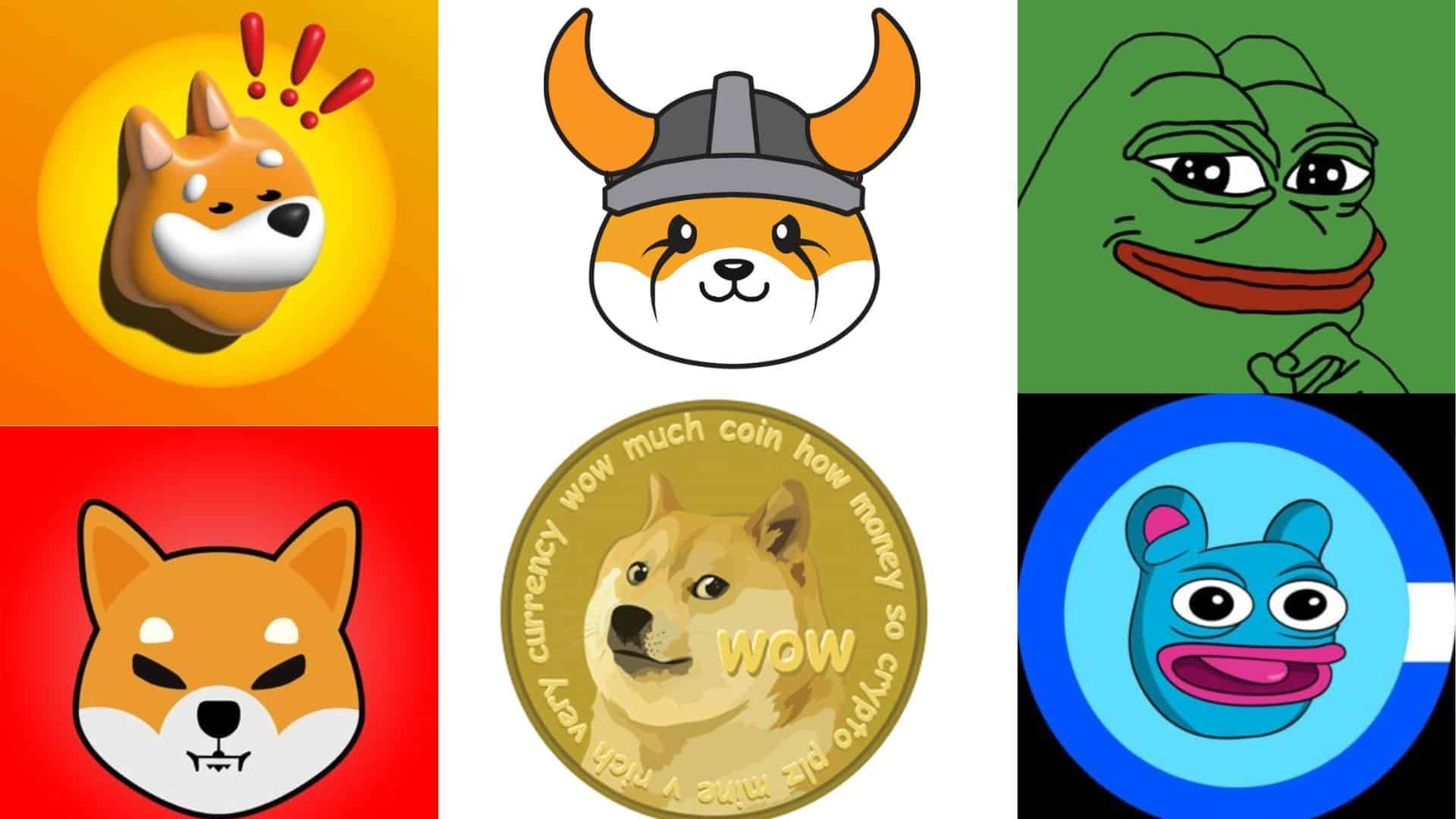
The strongest meme coins usually combine three things:
a recognizable cultural hook
a fast-moving social narrative
enough liquidity to support real speculation
That is why some meme coins become durable brands while others disappear within hours. The category ranges from legacy names like Dogecoin and Shiba Inu to launchpad-driven short-term tokens that exist mainly to exploit a brief burst of attention.
Meme Coin Categories in 2026
One useful way to understand the market is to separate meme coins by structure, not just popularity.
| Meme Coin Category | Core Driver | Main Launch or Trading Venue | Example Type | Risk Level |
|---|---|---|---|---|
| Classic community meme coins | Long-term community consensus | CEXs and DEXs | DOGE, SHIB | Medium |
| Narrative meme coins | Strong cultural or social trend | Uniswap, Raydium | PEPE, WIF | High |
| Bonding-curve launchpad coins | Ultra-short-term viral speculation | Pump.fun, Moonshot | Newly launched daily tokens | Very High |
| Utility-linked meme coins | Meme brand plus protocol integration | DeFi ecosystems | BONK-style ecosystem tokens | Medium to High |
| AI or political meme coins | AI, election, or event-driven narratives | Multi-chain launches | AI agent coins, PolitiFi tokens | Very High |
This table matters because not every Meme Coin should be traded the same way. A classic community asset can behave more like a long-duration speculative brand. A fresh bonding-curve coin is closer to a high-speed momentum bet with severe downside.
How Traders Find Meme Coin Opportunities Early
Most profitable meme coin trading is not about guessing randomly. It is about building a repeatable discovery process before a token reaches broad attention.
The first layer is DEX discovery. Tools like DexScreener and Birdeye help traders spot new pairs, monitor liquidity, and cross-check whether early activity looks organic or manufactured. A low-cap coin with rising volume can look exciting, but if liquidity is too thin, the move may be unusable in practice.
The second layer is smart-money tracking. Traders often watch wallets that consistently enter winning meme coin positions early. Tools like Arkham and GMGN-style dashboards are used to identify repeat winners, whale entries, and suspicious insider clusters. This does not guarantee success, but it helps separate organic interest from manipulated activity.
The third layer is social momentum. Meme coins are deeply tied to X, Telegram, and fast-moving group chats. In many cases, price follows attention before it follows listings. That is why strong traders do not just read the chart. They read the social feed, the meme density, the spread of the narrative, and the quality of the community response.
The edge is not “finding every new coin.” The edge is filtering faster than the crowd.
Why Pump.fun Changed the Meme Coin Market
In 2026, no Meme Coin guide is complete without discussing Pump.fun and similar launchpads. These platforms made token creation extremely cheap and fast, which changed the market structure.
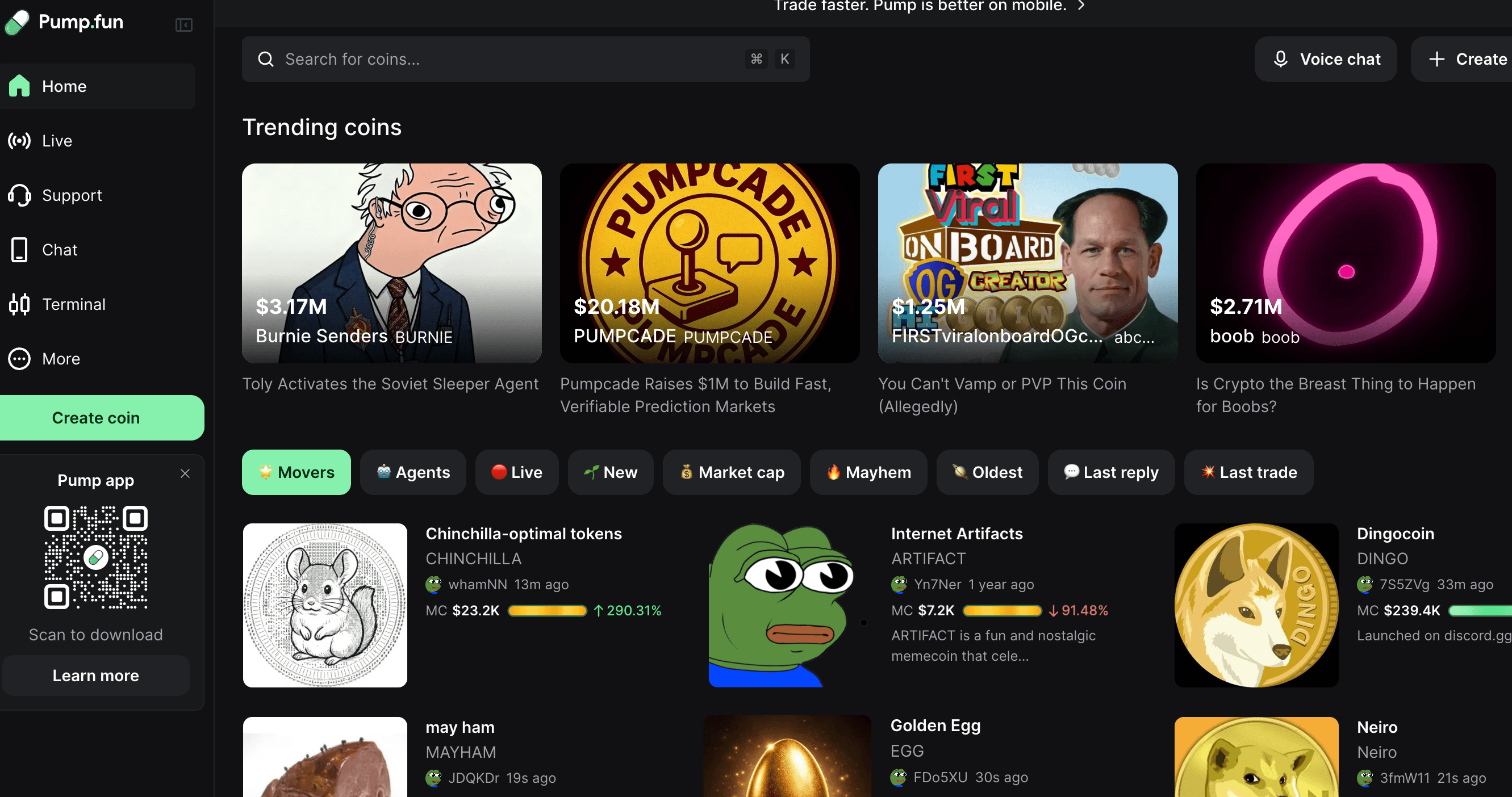
The key mechanic is the bonding curve. Prices rise automatically as buyers enter, and when the project reaches a certain threshold, liquidity is migrated outward to a larger trading venue. This creates an environment where the earliest buyers can capture outsized upside, but it also encourages aggressive sniping, bot competition, and insider games.
That is why the launchpad era created both more opportunity and more danger. Traders can now access meme coins earlier than ever. They can also lose money faster than ever if they chase manipulated launches.
The Biggest Meme Coin Risks
The most important part of meme coin investing is not finding the next 100x token. It is avoiding obvious ways to get wiped out.
The first major risk is the honeypot. This is a token that allows buying but restricts or blocks selling. On paper, your position may show profit, but in practice you cannot exit.
The second risk is blacklist or admin abuse. Some contracts give insiders the power to block wallets, raise taxes, or change transfer rules after launch. A token can look safe at first and still become dangerous later.
The third risk is proxy or upgrade risk. If a contract can be modified after deployment, the code you inspected may not be the code you trade against later.
The fourth risk is holder concentration. If a few connected wallets control too much supply, the project is one large selloff away from collapse. This is why traders use tools like BubbleMaps: not because charts are fashionable, but because wallet clustering often reveals the real risk faster than price does.
A simple pre-trade checklist helps:
check liquidity
check holder concentration
check whether minting or blacklist rights still exist
check whether social momentum is organic or forced
check whether you would still buy the token if you had never seen the chart
If the answer to the last question is no, you may just be buying someone else’s exit liquidity.
A Safer Meme Coin Strategy
A Meme Coin is not an asset class where “all in” makes sense. The math is too harsh.
A better framework is position sizing. One useful formula is the Kelly Criterion:
f* = (bp - q) / b
Where:
f* is the ideal fraction of capital to risk
b is the payoff ratio
p is the probability of winning
q is the probability of losing
In practice, full Kelly is too aggressive for meme coins because real-world slippage, scams, and fast liquidity changes make outcomes less stable than the formula assumes. That is why experienced traders often use a quarter-Kelly or smaller allocation instead.
In plain terms:
keep your core capital in stronger assets
dedicate only a small portion to meme coin trades
take partial profits early
cut losers fast
treat time as risk, not just price
A meme coin that goes nowhere for 48 hours while attention moves elsewhere is often telling you something important. The opportunity cost may be higher than the nominal drawdown.
Why Meme Coins Still Matter in 2026
Even with all the risk, meme coins still matter because they reveal where crypto attention is flowing before many other sectors do. They are often the fastest-moving expression of retail appetite, platform growth, and social-market reflex.
That makes them useful not only for speculation, but also for reading the market. A Meme Coin boom usually says something about sentiment, liquidity, and risk tolerance. A Meme Coin collapse says something too.
The point is not that every trader should chase them. The point is that if you understand how meme coins work, you understand a very real part of how crypto works now.
Conclusion
A Meme Coin is not valuable in the same way a traditional asset is valuable. It is valuable when attention, narrative, liquidity, and community line up at the same time. That creates enormous upside, but also extreme failure rates.
The right way to approach meme coins in 2026 is not with blind optimism and not with automatic dismissal. It is with a system. Use discovery tools. Track smart money carefully. Audit contract risk. Size positions conservatively. Take profits before greed takes over.
If you want to trade any Meme Coin seriously, treat survival as part of the strategy. The traders who last longest are not the ones who catch every moonshot. They are the ones who avoid the obvious traps often enough to keep playing.
Learn the setup, check the risks, and build a repeatable process before trading any Meme Coin.
FAQ
What is a Meme Coin?
A Meme Coin is a cryptocurrency whose value is driven mainly by community attention, internet culture, and speculative demand rather than traditional fundamentals.
Are meme coins a good investment?
They can generate outsized gains, but they are highly speculative and can collapse quickly. They are better treated as high-risk trades than conventional investments.
How do traders find meme coins early?
They typically use DEX trackers, smart-money dashboards, social monitoring, and contract-risk tools to identify early momentum before a token becomes widely known.
What is the biggest risk in meme coin trading?
The biggest risks are scams, low liquidity, insider concentration, honeypots, and poor position sizing.
Why is Pump.fun important in 2026?
Pump.fun changed meme coin issuance by making token launches cheap, fast, and highly accessible, which increased both opportunity and manipulation.
You may also like

The Regulatory Storm Hitting Crypto Casinos: Licensing, AML, and Enforcement
Understanding CeDeFi: How It Blends CeFi Security with DeFi Innovation
Circle Stock Analysis: Business Model and Valuation in 2026
Decentralized Exchange (DEX): Benefits, Risks, and How It Works in 2026
WEEX Trade to Earn Phase 2: Trade More but Pay Less in Futures Trading Markets
What is Canton Network: Pioneering Institutional Crypto with Canton Coin (CC) and Privacy-Preserving Blockchain Innovation
Introduction to Canton Network: A New Era for Institutional-Grade Digital Assets
What Is Recall Coin Crypto? A Deep Dive Into RECALL Token & the Recall Network
One-Click Margin Mode Setup for All Futures Pairs
Get Up To 100% APR On WEEX Auto Earn USDT
Crypto Trading vs.Traditional Investment, What's the Difference?
Why Celebrity Memecoins Often End in scandal and What Traders Can Learn?
The Regulatory Storm Hitting Crypto Casinos: Licensing, AML, and Enforcement
Understanding CeDeFi: How It Blends CeFi Security with DeFi Innovation
Circle Stock Analysis: Business Model and Valuation in 2026
Decentralized Exchange (DEX): Benefits, Risks, and How It Works in 2026
WEEX Trade to Earn Phase 2: Trade More but Pay Less in Futures Trading Markets
What is Canton Network: Pioneering Institutional Crypto with Canton Coin (CC) and Privacy-Preserving Blockchain Innovation
Contents
Popular coins


