
Top 3 Trillion-Dollar Stocks to Buy Instead of SpaceX (SPCX) in 2026


The stock market's trillion-dollar club has grown increasingly exclusive, with only a handful of companies commanding valuations of that magnitude. But not all trillion-dollar stocks are created equal. Some are built on proven business models, predictable cash flows, and genuine market dominance. Others—well, they're built on promises and speculation.
With 2026 shaping up to be a pivotal year for investors, the question isn't just which stocks are big—it's which ones are worth their size. This piece cuts through the hype and examines three mega-cap stocks that actually deliver on their valuations, with the revenue, profits, and competitive moats to justify investor confidence.
Key Takeaways
- Nvidia (NVDA) dominates AI infrastructure with 85% revenue growth, $45.5B in quarterly profits, and a forward P/E of just 16—a rare combination of growth and value.
- Apple (AAPL) is the ultimate compounding machine with its closed-wall ecosystem, predictable hardware replacement cycles, and expanding high-margin services revenue.
- Amazon (AMZN) has a clear path to $1 trillion in revenue by 2028, driven by market leadership in e-commerce, cloud computing, and robotics.
- Valuation discipline matters. The best stocks to buy in 2026 combine proven growth trajectories with reasonable valuations and durable competitive advantages.
- Three very different businesses, one common thread: each has a wide moat, consistent execution, and the scale to continue compounding shareholder value.
Nvidia (NVDA)
When it comes to artificial intelligence, Nvidia isn't just participating—it's the backbone of the entire ecosystem. The company has positioned itself as the essential supplier for AI model training, and the numbers reflect that dominance.
Nvidia trades at a forward price-to-earnings ratio of just 16, which is remarkably reasonable for a company growing at this pace. First-quarter revenue hit $81.6 billion, representing 85% year-over-year growth. Quarterly adjusted profits reached $45.5 billion—a figure that puts most companies' annual results to shame.
Why Nvidia's Moat Is Unassailable
Nvidia's competitive advantage rests on two pillars:
- CUDA software platform: This is where most foundational AI has been written. Developers know it, trust it, and aren't switching. The ecosystem effect is powerful—more developers mean more applications, which means more demand for Nvidia hardware.
- Full-stack AI infrastructure: Beyond GPUs, Nvidia offers a world-class networking portfolio, strategic positioning in the AI inference market (via its partnership with Groq), and central processing units that open opportunities in agentic AI.
Nvidia isn't just selling chips—it's selling an entire AI computing ecosystem. That's why competitors struggle to gain traction despite pouring billions into rival products.
For investors seeking the best stock to buy in 2026, Nvidia offers a rare combination of explosive growth and reasonable valuation. The AI revolution is still in its early innings, and Nvidia sits at the center of it all.
Apple (AAPL)
Apple may not generate the same headlines as it did during the Steve Jobs era, but what it lacks in innovation buzz, it more than makes up for in business predictability. This is a company that has mastered the art of steady, reliable compounding.
The Ecosystem Advantage
Apple's strength isn't any single product—it's the integrated ecosystem that locks customers in and keeps them coming back. The company has positioned itself as a luxury electronics brand whose products work seamlessly together, capturing the high end of the smartphone market.
What Makes Apple's Business Model So Durable
Several factors drive Apple's sustained performance:
- Predictable replacement cycles: iPhone users upgrade every few years, creating a steady stream of hardware revenue that's remarkably consistent.
- The lock-in effect: Once a consumer buys an iPhone, switching to Android becomes increasingly difficult. Every photo, app purchase, subscription, and Apple Pay transaction adds another layer of stickiness.
- High-margin services: This is where Apple's genius truly shines. Services revenue includes:
- App Store commission fees (typically 15–30% of all app purchases)
- iCloud storage subscriptions
- Revenue sharing with Alphabet for Google Search placement
- Apple Pay transaction fees
Why Apple Outperforms the Competition
While other companies chase speculative moonshots, Apple delivers consistent, growing profits today. The services business is becoming an increasingly large portion of overall revenue, making Apple less dependent on hardware sales fluctuations and more resilient to economic cycles.
For investors asking where to buy stock that offers stability, predictable growth, and downside protection, Apple remains a top-tier choice. It's not the flashiest pick, but it's one of the most reliable.
Amazon (AMZN)
Elon Musk talks about SpaceX hitting $1 trillion in revenue by 2030. Amazon is actually on track to do it—by 2028. The company generated $717 billion in revenue last year and is projected to reach $1.3 trillion by 2030.
Amazon dominates two of the most important sectors in the global economy:
- E-Commerce Market Leadership
Amazon isn't just the largest online retailer—it's an operational powerhouse. Key advantages include:
- World's leading robotics operator: Over 1 million robots work in Amazon fulfillment centers, driving cost efficiencies that competitors can't match.
- Scale advantages: Amazon's massive volume allows it to negotiate better shipping rates, lower procurement costs, and invest in infrastructure that smaller players simply can't afford.
- Operating leverage: As the e-commerce business grows, fixed costs are spread over more units, expanding profit margins.
- Cloud Computing Dominance with AWS
Amazon Web Services (AWS) is the clear market leader in cloud infrastructure. Recent trends include:
- Accelerating revenue growth as enterprise cloud adoption continues
- Custom chip development giving Amazon a cost edge over competitors
- AI integration making AWS the platform of choice for AI workloads
3 Best Stock to Buy in 2026
Here's how these three trillion-dollar stocks stack up against each other:
| Factor | Nvidia (NVDA) | Apple (AAPL) | Amazon (AMZN) |
| Primary Business | AI infrastructure | Consumer electronics & services | E-commerce & cloud computing |
| Revenue Growth | 85% (Q1) | Steady, predictable | Accelerating |
| Profitability | Highly profitable | Highly profitable | Profitable & growing |
| Competitive Moat | CUDA ecosystem, GPUs | iOS ecosystem, brand loyalty | Scale, AWS, robotics |
| Valuation | Reasonable (P/E ~16) | Reasonable | Reasonable |
| 2026 Outlook | Strong | Stable | Strong |
Each of these companies offers a different flavor of growth, but all three share common characteristics: proven business models, wide competitive moats, and reasonable valuations relative to their earnings power.
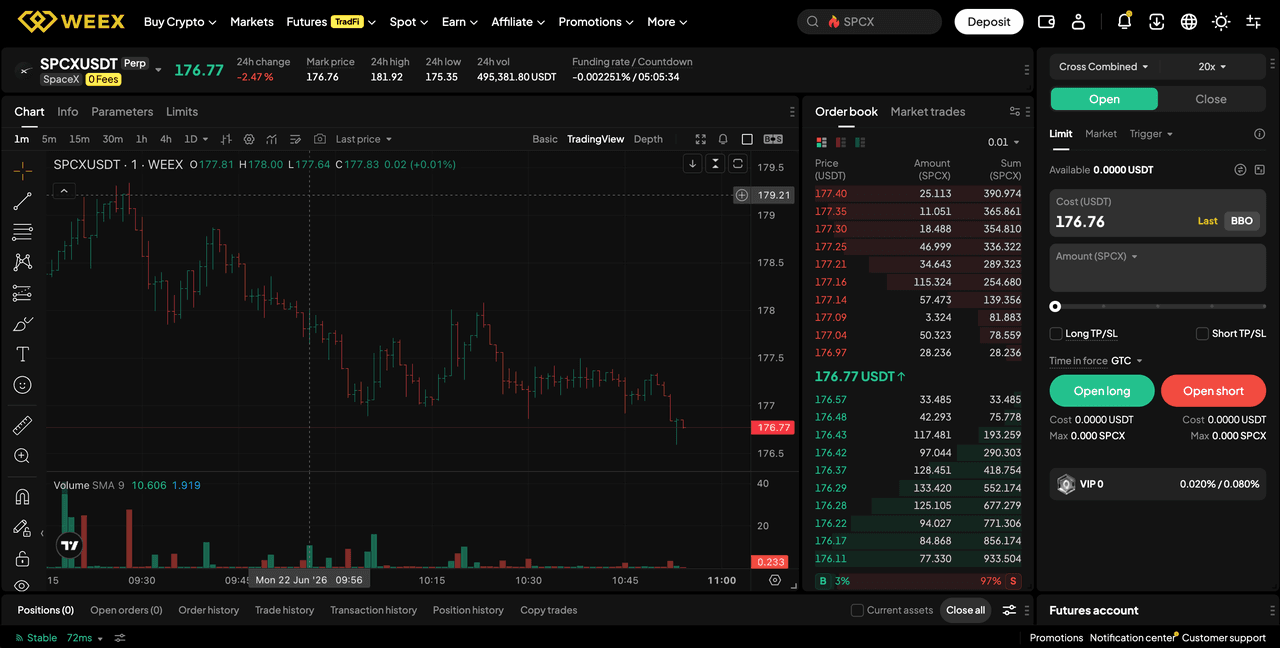
Where to Buy Stocks: A Step-by-Step Guide to Trading on WEEX
Ready to invest in any of these top-tier stocks? Here's how to get started on WEEX—a secure and user-friendly platform for buying and selling stocks and cryptocurrencies.
How to Buy Stock on WEEX (NVDA, AAPL, or AMZN)
- Step 1: Go to WEEX official website and create your WEEX account.
- Step 2: Deposit Funds. Transfer from your existing wallet or buy via fiat or WEEX Quick Buy.
- Step 3: Go to WEEX TradFi and search for the SPAX/USDT Trading Pair.
- Step 4: Place Your Order. Start with a small test order first.
Final Thoughts
The stock market rewards patience and discipline, not speculation. While flashy narratives and charismatic CEOs capture attention, it's companies with proven business models, durable competitive advantages, and reasonable valuations that generate lasting wealth.
Nvidia offers AI dominance with massive growth and a surprisingly reasonable valuation. Apple delivers steady compounding through its ecosystem and expanding services. Amazon combines two proven market leaders with clear, achievable revenue targets.
For investors looking at the best stock to buy in 2026, these three represent different ways to win—but all are backed by real businesses generating real profits today.
Ready to trade? Sign up on WEEX Now and Start Trading!
FAQ
Q1: What is the best stock to buy in 2026 for long-term growth?
Nvidia (NVDA), Apple (AAPL), and Amazon (AMZN) are among the strongest candidates. All three have proven business models, strong competitive advantages, and reasonable valuations relative to their growth trajectories.
Q2: Why is Nvidia considered such a strong investment?
Nvidia has 85% revenue growth, $45.5 billion in quarterly profits, a forward P/E of just 16, and a dominant position in AI infrastructure with a wide moat via its CUDA software platform.
Q3: Where can I buy NVDA stock?
You can buy NVDA stock on WEEX, a secure platform that supports stock trading alongside cryptocurrencies. Follow the step-by-step guide above to get started.
Q4: Why is Amazon projected to reach $1 trillion in revenue?
Amazon generated $717 billion in revenue last year and is projected to reach $1.3 trillion by 2030. This growth is driven by market leadership in e-commerce, accelerating cloud computing revenue from AWS, and operational efficiencies from its robotics and AI investments.
Q5: Why choose Apple over more exciting tech stocks?
Apple offers a proven, predictable compounding business with its integrated ecosystem, sticky hardware products, and expanding high-margin services revenue. While not the flashiest pick, it's one of the most reliable long-term compounders in the market.
Disclaimer: This content is provided for general informational and educational purposes only and should not be considered financial, investment, legal, or tax advice. Nothing in this article constitutes an offer, recommendation, solicitation, or invitation to buy, sell, or trade any crypto asset or use any specific service. Crypto assets are highly volatile and involve risk, including the potential loss of capital. WEEX services may not be available in all regions and are subject to applicable laws, regulations, and user eligibility requirements. Please carefully assess risks and confirm local requirements before making any financial decisions.
You may also like

How to Buy Cryptocurrency on WEEX Exchange 2026: Full Guide
Prediction Market Apps 2026: How Prediction Markets Work? Are They Safe and Legal?
Is Polymarket Legal in India in 2026? Key Legal Updates on Prediction Markets
14 Best Prediction Market Apps in 2026: The Ultimate Guide to Crypto-Native and Regulated Platforms
Can Politicians Rig Election Prediction Markets? The Dark Side of Election Prediction Markets
2026 US Election Odds: Who Leads Right Now on Polymarket and Kalshi?
What Is a Crypto Prediction Market? Key Opportunities in the Prediction Market Sector
Plot twist in the AI race—the next big flex is actually physical infra?
How to Profit on Prediction Market: A Beginner's Guide to Prediction Market
Decentralized Prediction Market: A Beginner's Guide for WEEX Users
Kalshi Prediction Market Explained: How It Works and Who Can Use It
What Is WXT Used For? A Beginner's Guide to WEEX Token Utility
Top Prediction Market Websites in 2026: Which Platform Is Best for You?
How to Start Spot Trading on WEEX: No Leverage, No Liquidation Risk
What Is a Prediction Market Platform? How It Works and Key Risks
Can You Make Money on Prediction Markets? Risks and Strategies
Is a Prediction Market Just Gambling? How It Works and Key Risks
What Are the Most Popular Prediction Market Platforms in 2026?
How to Buy Cryptocurrency on WEEX Exchange 2026: Full Guide
Prediction Market Apps 2026: How Prediction Markets Work? Are They Safe and Legal?
Is Polymarket Legal in India in 2026? Key Legal Updates on Prediction Markets
14 Best Prediction Market Apps in 2026: The Ultimate Guide to Crypto-Native and Regulated Platforms
Can Politicians Rig Election Prediction Markets? The Dark Side of Election Prediction Markets
2026 US Election Odds: Who Leads Right Now on Polymarket and Kalshi?
Contents
Popular coins


